Learn how to connect local AI models to your own documents with retrieval-augmented generation while keeping private data under your control.
In April 2026, running AI models locally is no longer just a hobby for enthusiasts. It has become an option for professionals who care about privacy and infrastructure costs. Models such as Llama 4 Scout and DeepSeek-V3 have narrowed the gap between cloud services and local hardware.
🚀 The era of Llama 4 and DeepSeek-V3
Local models have become more efficient with Mixture of Experts (MoE) architectures.
- Llama 4 Scout: Its large context window can help process long codebases or large collections of documents on local hardware, subject to memory and configuration limits.
- DeepSeek-V3: A model known for reasoning-oriented tasks. Its performance depends on the version, hardware, workload, and comparison method.
🔌 MCP: a connection standard for AI tools
The Model Context Protocol (MCP) provides a standardized way for AI applications to connect to tools and data sources.
- Integrations: An MCP server can expose selected functions for working with a Postgres database, local files, or a GitHub repository.
- Security: Local hosting can reduce some third-party data transfers, but it does not automatically prevent data exposure. Review permissions, secrets, and the behavior of every connected server.
🏗️ RAG: search over your knowledge
Retrieval-augmented generation can help answer questions using your own documents. A robust setup may include:
- Hybrid search: Combine semantic retrieval with keyword search such as BM25.
- Reranking: Reorder retrieved passages before generating an answer. This can improve relevance, but does not eliminate hallucinations.
- Contextual compression: Select relevant passages from documents to reduce the context sent to a model.
🤖 A2A: teams of specialized agents
The Agent-to-Agent (A2A) approach lets applications delegate work between agents.
- Specialization: A smaller model could plan a task while a larger one handles more complex steps.
- Coordination: Agents can exchange structured results and delegate tasks, but their permissions, resource use, and outputs should be controlled.
⚡ Ollama tips for power users
Ollama is one way to run and manage local language models.
- Parallel requests: Configure
OLLAMA_NUM_PARALLEL=4when you want multiple requests to use the same model, while monitoring memory and throughput. - Quantization: GGUF Q6_K and EXL2 are examples of formats and methods for balancing model size, memory use, and quality. Test the result on your own workloads.
💻 Hardware considerations
Hardware requirements depend on model architecture, quantization, context length, and software. A multi-GPU or high-memory workstation can run larger models, while many laptops are limited to smaller quantized models. Compare memory needs and benchmark the specific model before buying hardware.
🚀 2026 pro tip: local model distillation A larger model can help create training data for a smaller model, but distillation is a separate training workflow and is not the same as simply adding private documents. For document question answering, start with retrieval-augmented generation and evaluate it against representative questions.
[Udemy] AI Engineer 2026 Complete Course: Generative AI, Deep Learning, Machine Learning, and LLMs
Master machine learning, deep learning, LLMs, and AI systems through hands-on projects and practical examples.
HomeLab 2026: Build Your Private Cloud
Take more control of your data with a home server. Explore Coolify, Immich, secure networking, and backup fundamentals.
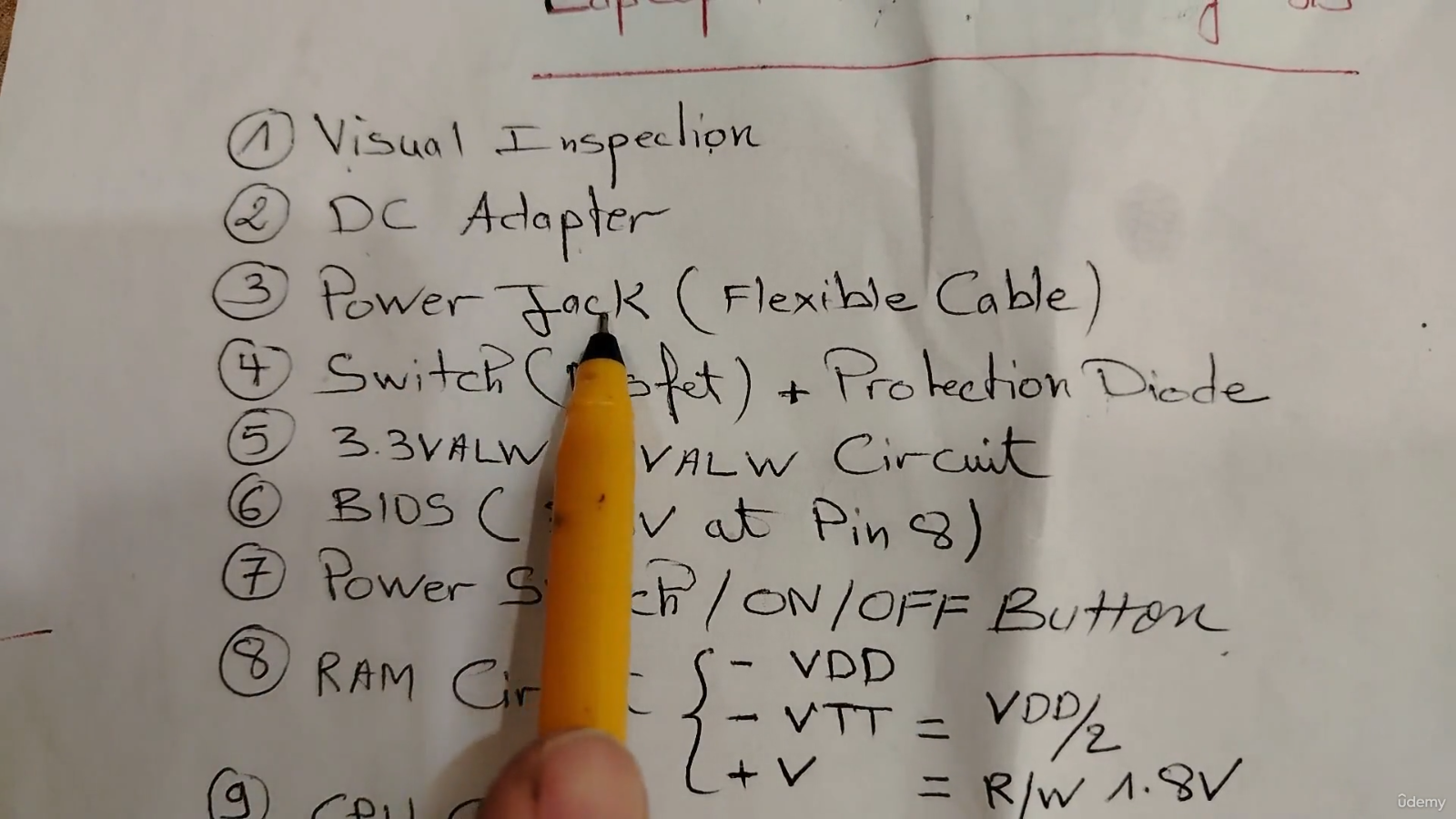
[Udemy] - Laptop Repair 101: Mastering Laptop Motherboard Diagnostics
Learn how to diagnose and repair issues with your laptop motherboard, including voltage testing, RAM, and CPU circuits.
AI Agents and Applications, Video Edition
Build intelligent LLM-powered applications with agentic workflows and tool-based agents using LangChain, LangGraph and MCP.
Give a Local AI Agent Control of Chrome: Playwright MCP from Scratch, Without API Keys or Cloud Accounts
Set up a local browser agent with LM Studio, a local LLM, and Microsoft Playwright MCP. Explore a test app, automate browser tasks, and configure permissions safely.
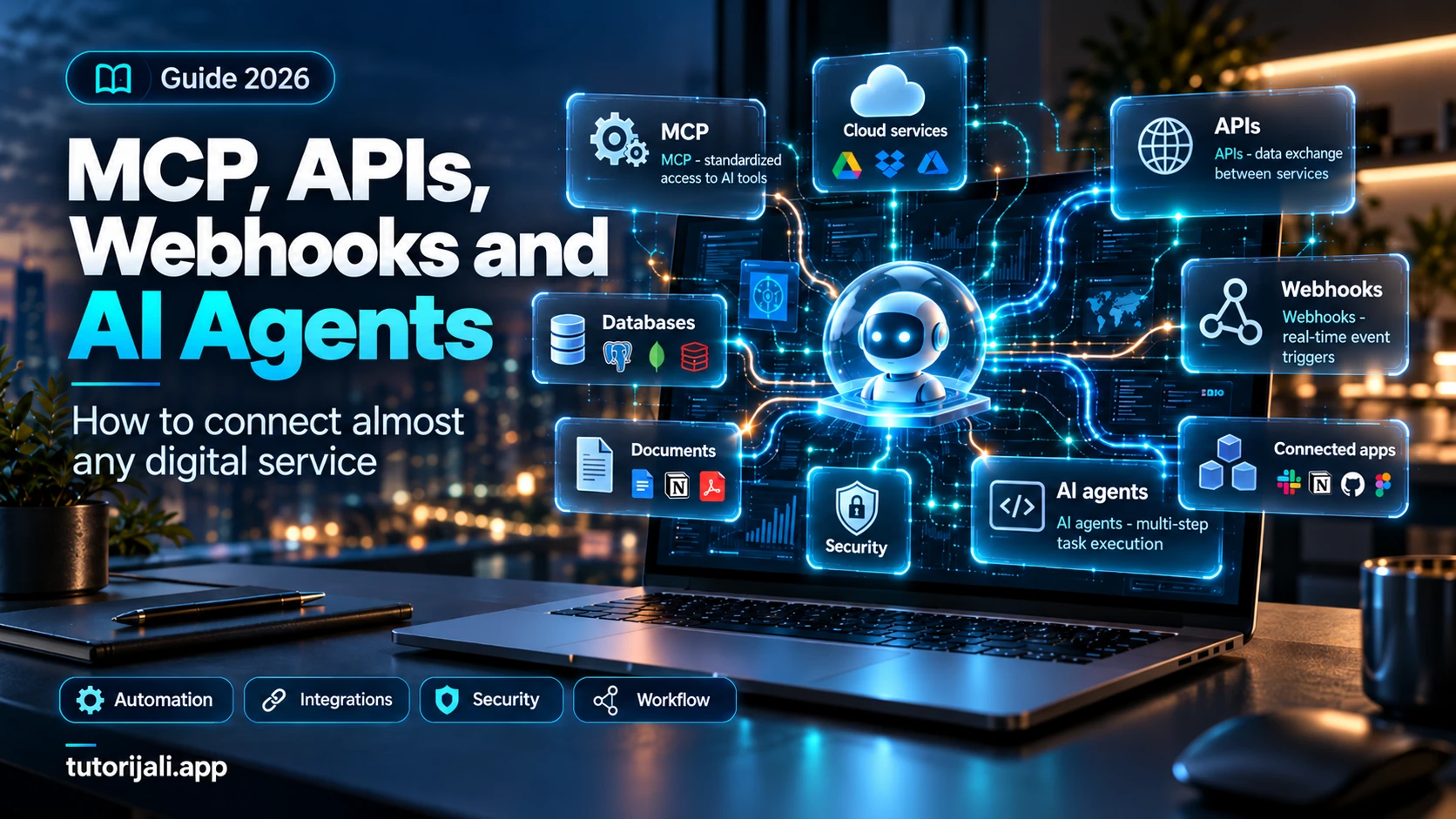
MCP, APIs, Webhooks and AI Agents: How to Connect Almost Any Digital Service in 2026
A complete practical guide to MCP, APIs, webhooks, and AI agents: compare the technologies, build n8n workflows and a Python MCP server, receive webhooks securely, explore 25 integration ideas, and review a production checklist.
Share your thoughts, questions, or tips about this article.